
TL;DR: Sometimes the cure for a panic attack isn’t a breathing exercise; it’s looking someone else in the eye and realizing you aren’t the only one fighting a battle.
“When your mind and body are screaming, how do you find a moment of quiet? 🌿 This post shares a touching, real-life encounter between a cheap bar and an old waiter that changed the way I look at my anxiety and pain. If you’ve ever felt trapped by your symptoms, this is a reminder that peace can find you in the most ordinary places.
Disclaimer: I write from lived experience, not professional authority. This space is for connection and reflection, not diagnosis or treatment. If you need support, please speak to a trained mental health professional.
There was a time when everything in my life felt unstable at once.
Money problems. A troubled marriage. Constant worry about my parents’ health.
One day, it became too much.
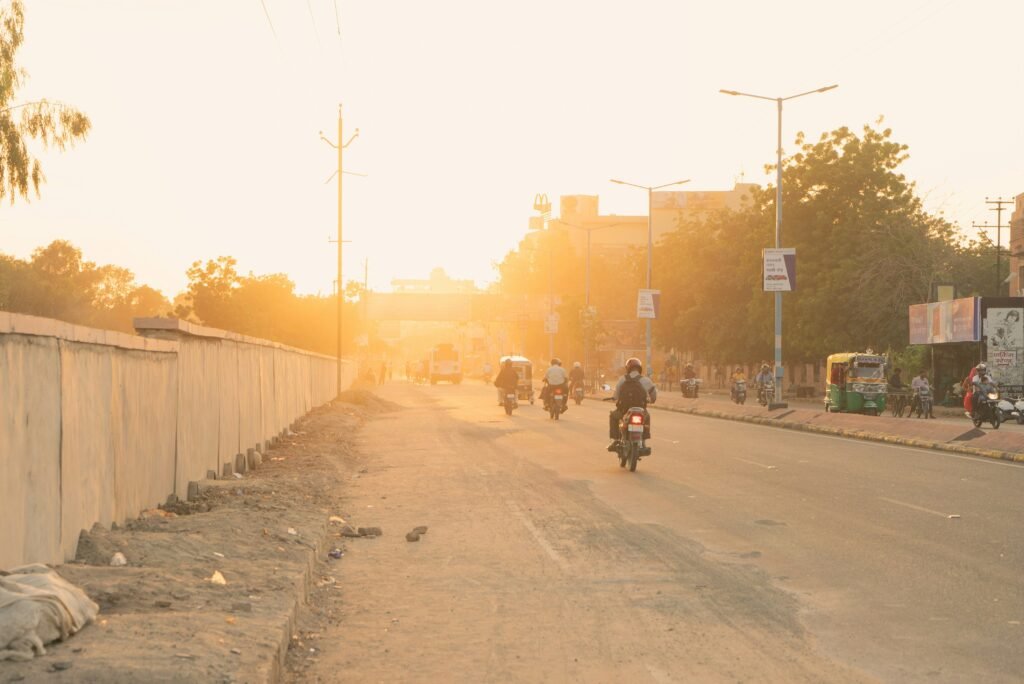
I didn’t have a plan. I just left the house and started walking. No destination, no clarity—just noise in my head. I walked for about a kilometer, carrying insults, guilt, anger, and thoughts I don’t clearly remember anymore. The kind of mental chaos that makes even breathing feel like work.
Eventually, I did what many people under stress or depression do.
I opened Google Maps and searched for the cheapest bar nearby.
I walked straight to it, worried someone I knew might already be there. Inside, I kept my head down but my eyes alert, scanning the place. I sat at a table and ordered without thinking.
That’s when I noticed a young man, already drunk, yelling at an old waiter for being slow. When I looked at the waiter’s face, I could see humiliation sitting quietly behind the wrinkles. He didn’t respond. He just listened.
After serving that customer, the waiter came to me. On impulse, I asked him where he was from—just to change his mood.
That small question opened a floodgate.
As I sipped my drink, he told me his life story. Years ago, he had no money, no shelter, and no relatives in Nagpur. He wandered for two days without food, collapsed unconscious, and was given water by strangers. Desperate, he told one man he would do any work if only he could be given two chapatis.
That man turned out to be the owner of the same bar where I was sitting.
The waiter has worked there ever since. With that job, he educated his son, who is now a mechanical diploma engineer. His son asks him to stop working in such an insulting environment, but the old man refuses. He says the job is hard—mentally and physically—but he feels no shame in it. This work gave him roti when no one else did.
By the time he finished speaking, something strange had happened.
My pain hadn’t disappeared.
But it had gone quiet.
Not because of alcohol—but because my mind had stepped outside itself. I was reminded that suffering exists everywhere, and yet people still push through, still build something meaningful. That old man’s son was his victory.
That day taught me something simple and uncomfortable:
Kindness and understanding can heal both sides of a conversation.
You don’t need solutions. Sometimes, you just need to see another human being fully. When we do that, our own pain loosens its grip—if only for a while.
This incident happened 13 years ago. I am 46 now. I still face financial problems. My relationships are still difficult. I live with mixed anxiety–depressive disorder, and it makes everything harder.
But I’m still here. Still pushing. Still trying to make sense of things.
I started this blog because I realized that helping others reflect, pause, and feel understood also helps me survive my own mind. I don’t have answers. I have experiences.
If you’re reading this and struggling, I hope this reminds you of one thing:
Your pain is real—but so is your capacity to endure, connect, and grow.
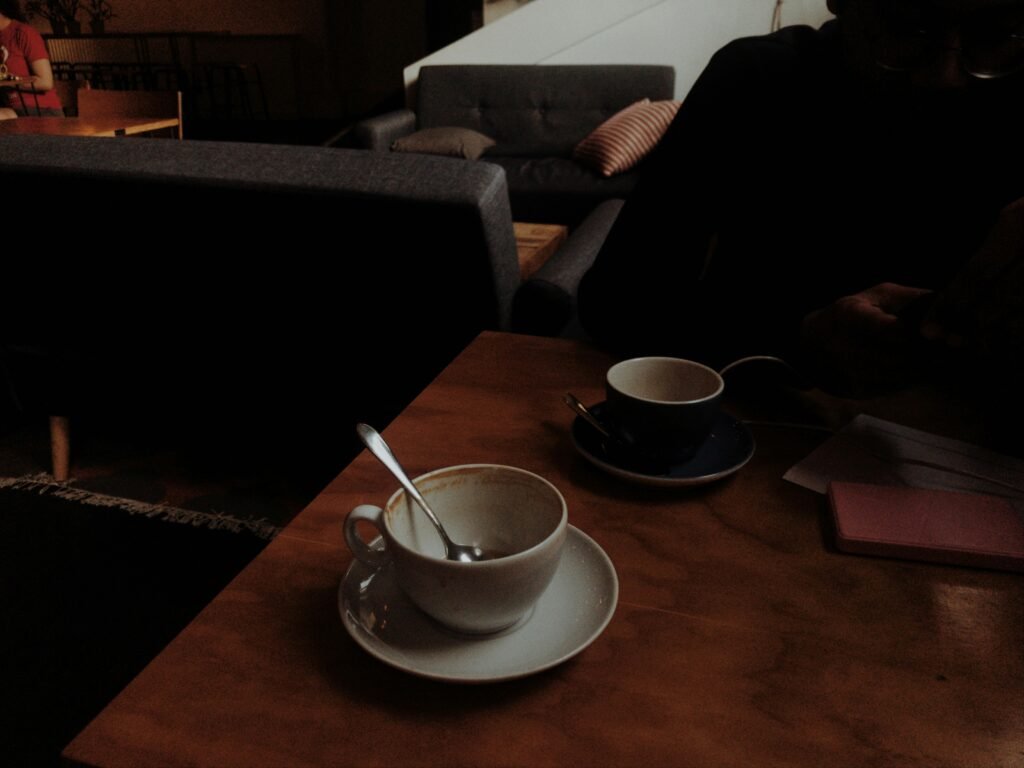
Sometimes, hope doesn’t arrive as relief.
Sometimes, it arrives as a conversation with a stranger.
Leave a Reply